
I spent this morning with my friend, and fellow Ferrari owner, Valerio. We decided to try out a vacuum kit he built in order to facilitate changing the coolant. We did this on his 360 and my F430 and the procedure was, for all intents and purposes, exactly the same.
The reasoning behind using a vacuum to assist with changing the coolant is to prevent having to bleed the system. After the coolant has been dropped out, the system is put under a vaccum and this is used to draw the fresh coolant into the system without leaving any air pockets.
Here is Valerio’s kit before it was built up:
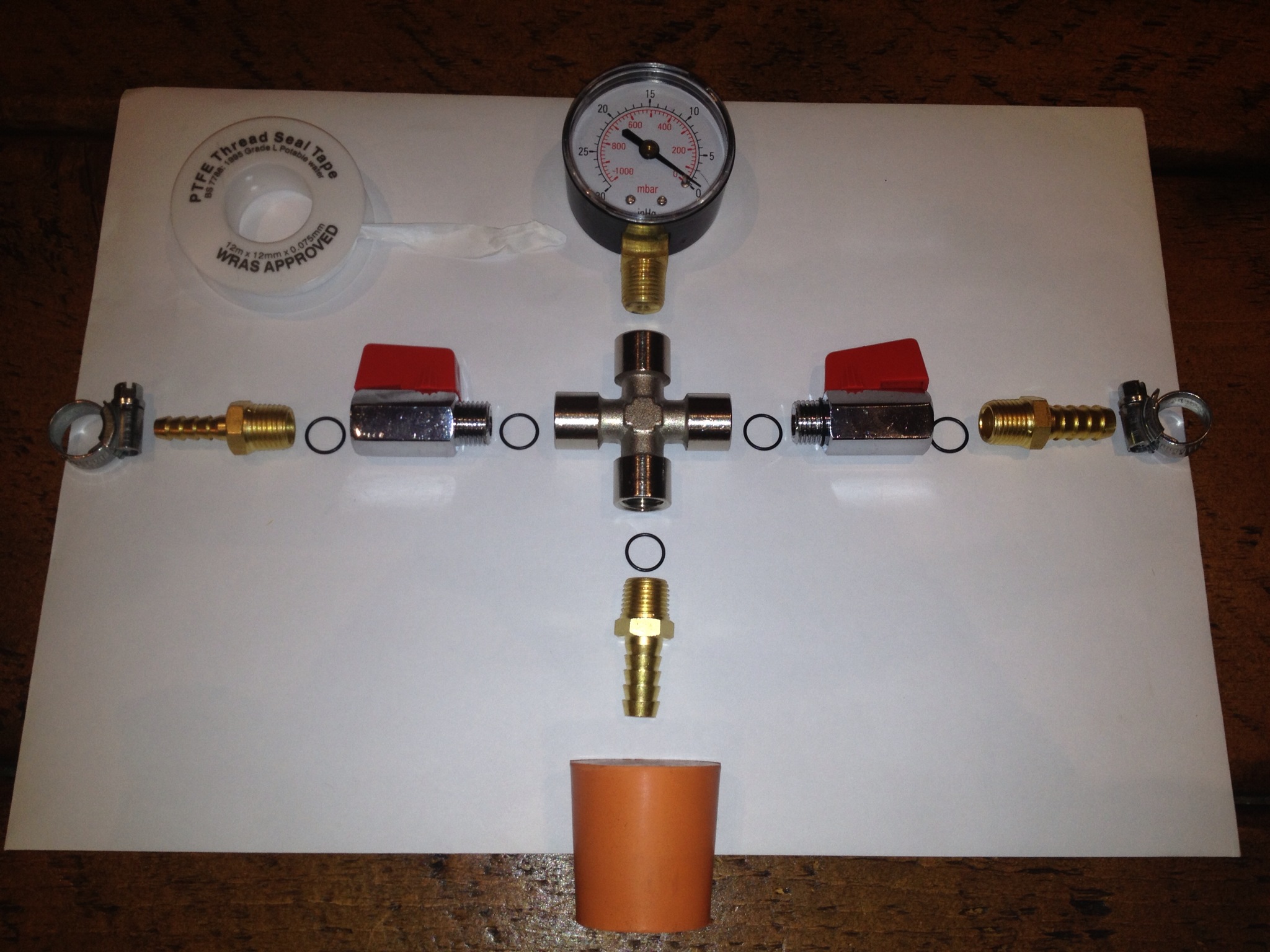
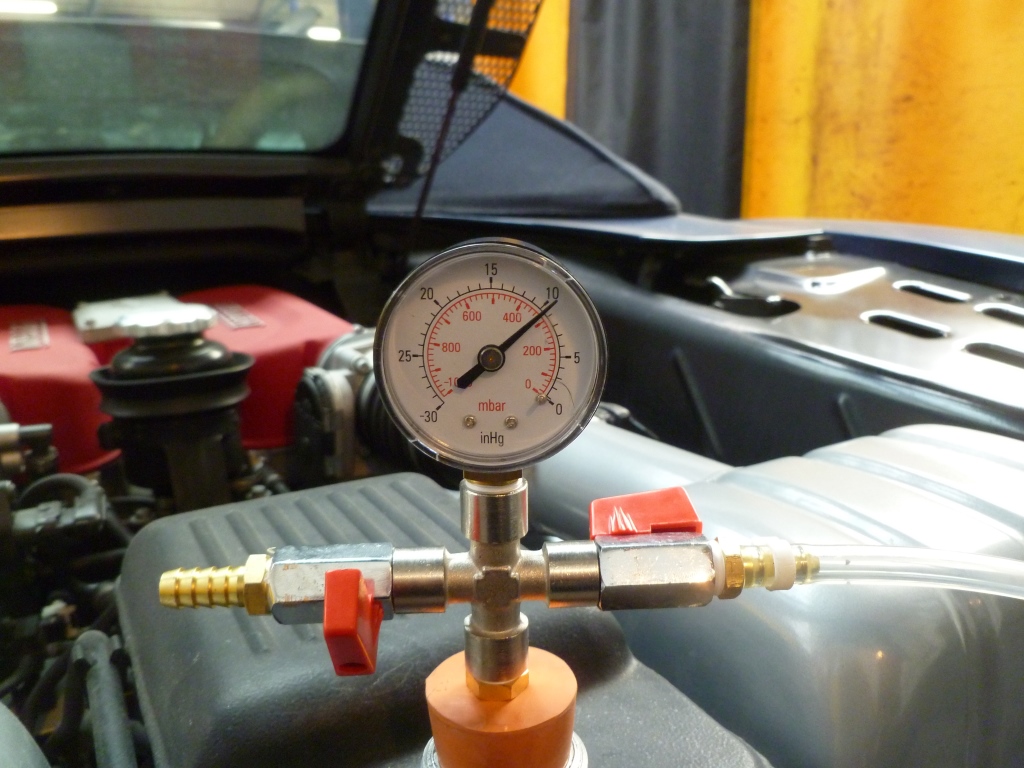
The parts list was as follows:
- vacuum gauge 1/4″ BSP
- four-way 1/4″ BSP female cross
- 6mm hosetail into 1/4″ BSP male
- 2x 10mm hosetail into 1/4″ BSP male
- 2x 1/4″ BSP male-female ball valve
- 33mm-38mm rubber bung (the inner diameter of the expansion tank neck is 34mm)
- PTFE tape
- 10x nitrile 11.5mm outer diameter/2mm (or 1mm) section O-rings
- 2x 9-12mm diameter jubilee clips
- 2m clear PVC tubing, 10mm inner diameter
- bayonet quick-connect air fitting into 10mm hosetail
We used a Pela 6000 Pump to pull the vacuum. Here’s Valerio on how he put it together:
.
The first thing was to remove the front under tray – the 360 and F430 have very similar panels, held in place with a variety of M6 bolts and screws.
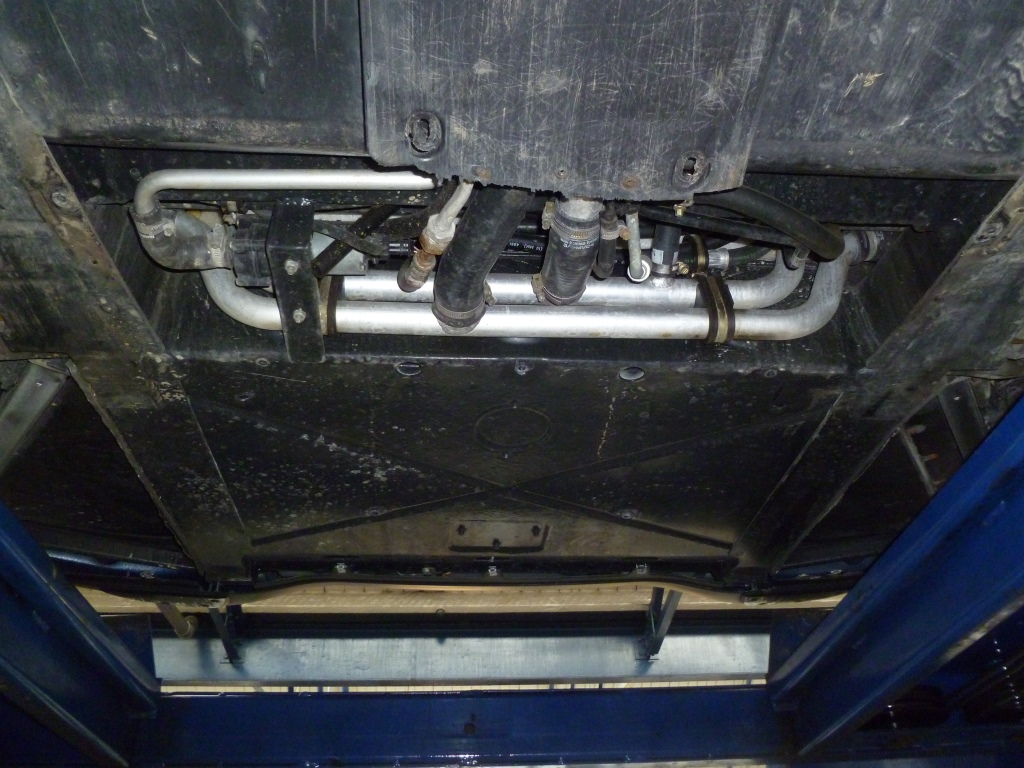
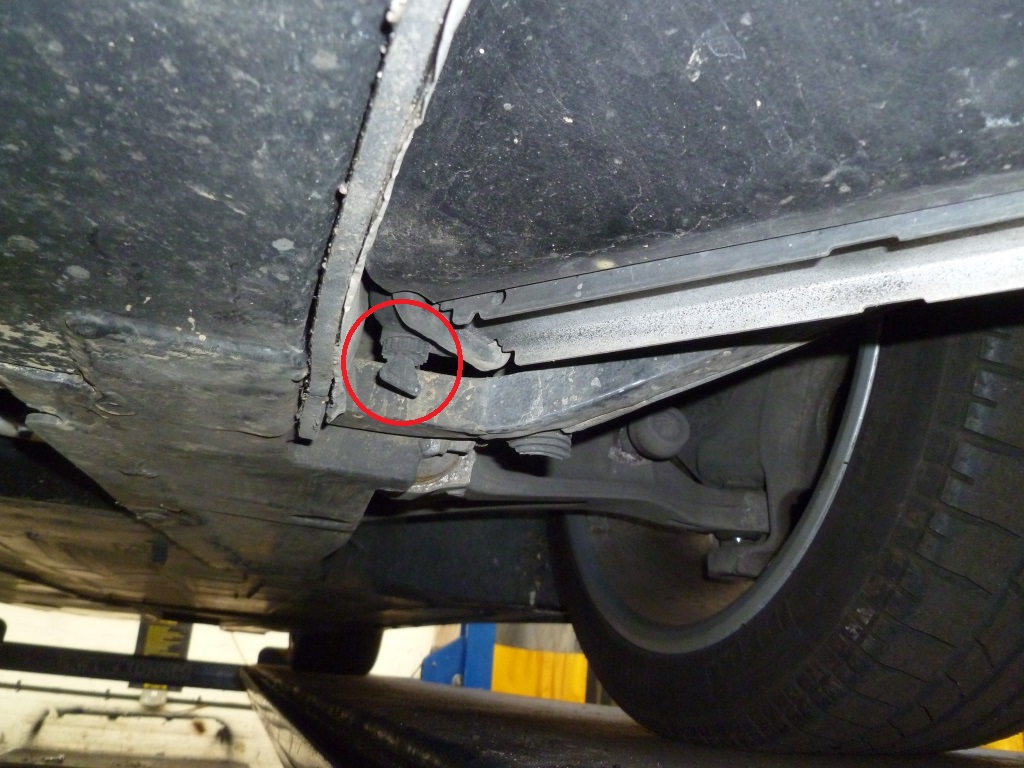
Next we dropped the coolant out. There is a drain plug at the corner of each radiator:
Whenever I remove fluid from a car I always measure how much came out so we used a funnel and a bucket to catch most of the fluid.
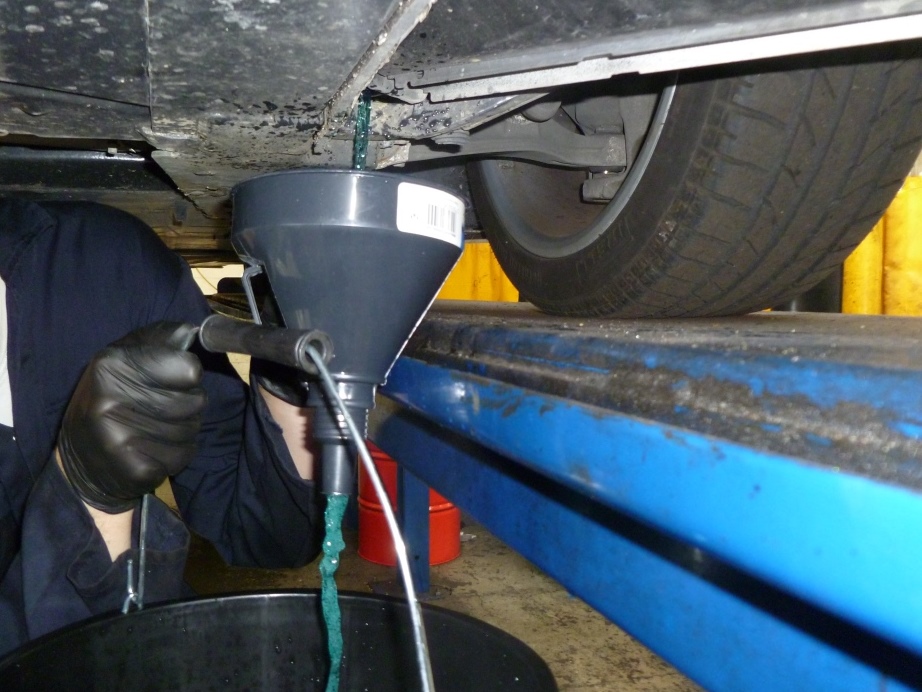
I advise to take a sample of the coolant as it is draining out. Use a clean container to catch enough to check for any oil mixed in – if you see any oil then it is possible that your water/oil heat exchanger has failed. Fortunately, neither of our cars had any oil in the coolant.
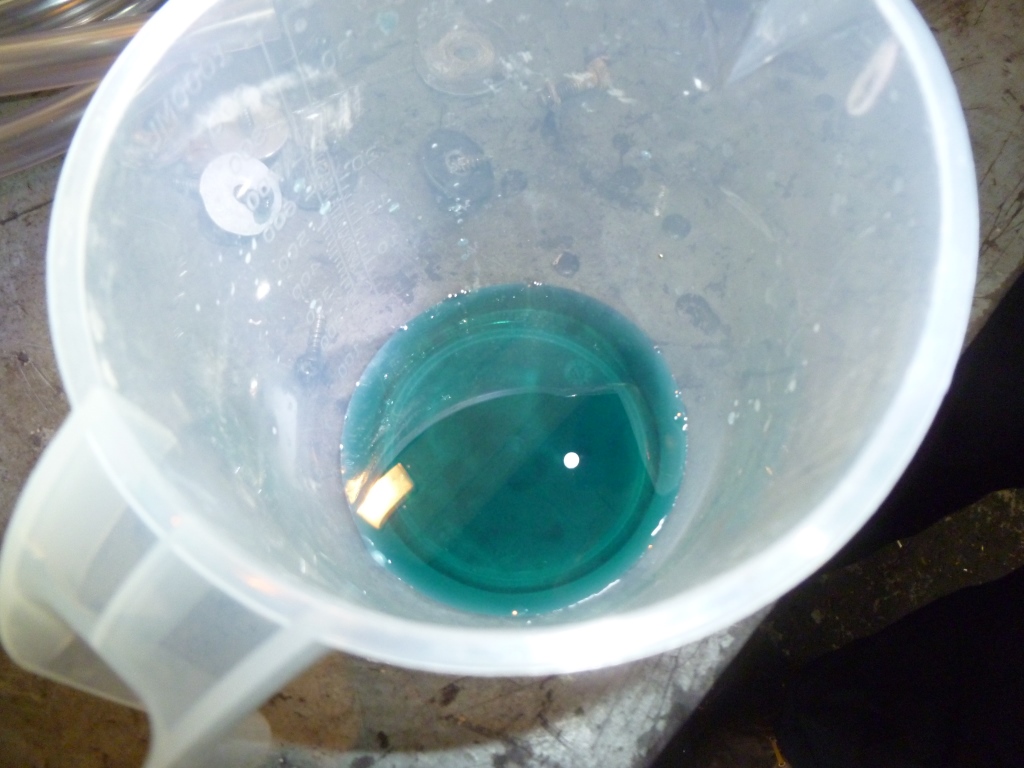
Just draining the radiators releases about 6 litres of coolant (both models hold approximately 17 litres). In order to get more out we used Valerio’s kit to gently blow compressed air into the system whilst the drain plugs were open. We managed to get 9 litres out of the 360 and 11 litres out of the F430.
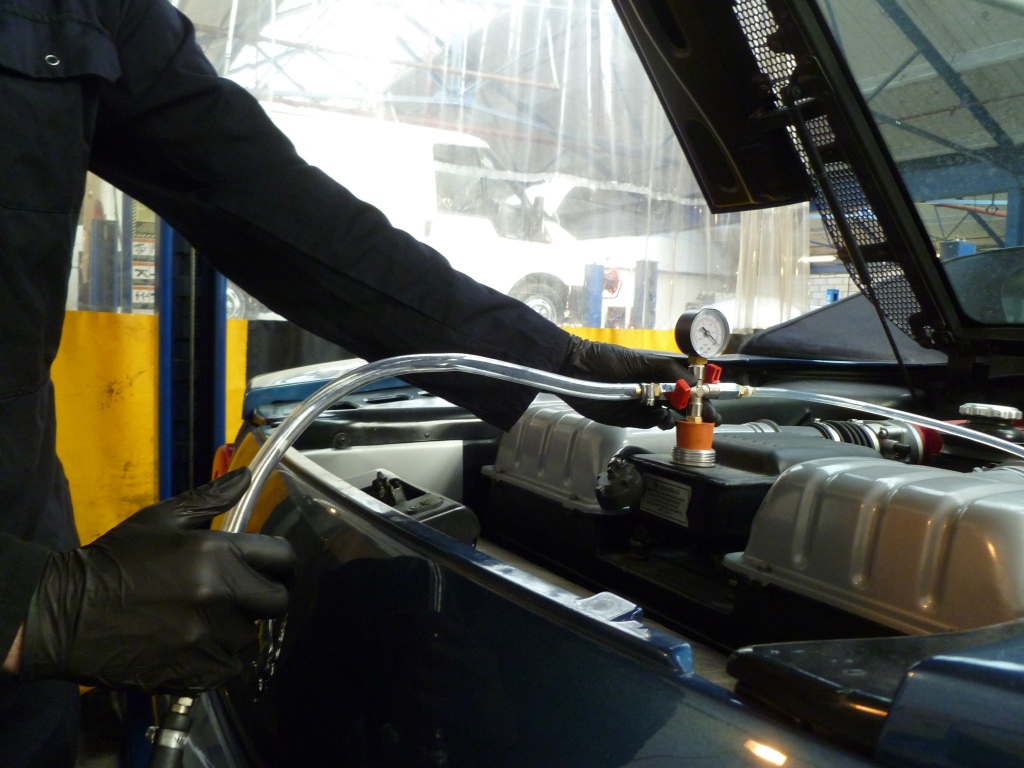
Next we re-fitted the drain plugs and used the kit to pull a smallish vacuum from the system. We left it under the vacuum for 5 mins in order to check for leaks (which would have been evidenced by the gauge dropping).
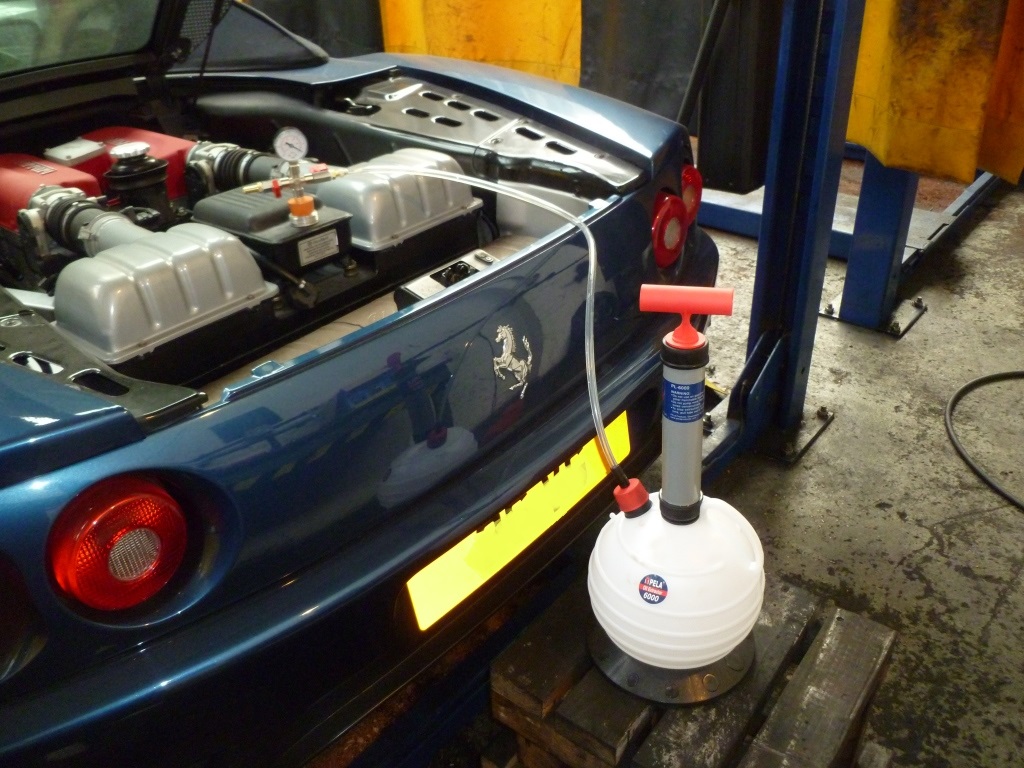
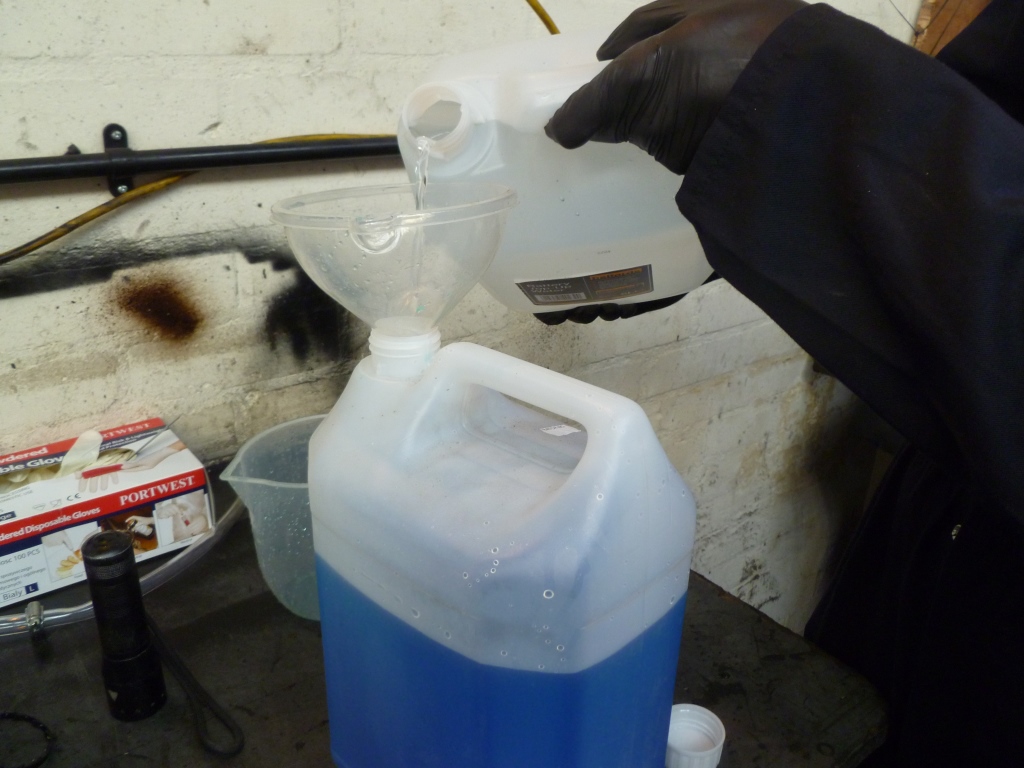
In the meantime we mixed up the coolant. Ferrari specify Glycoshell mixed 50:50 with water. Glycoshell is hard to find but it is only a Glyco based antifreeze any similar type will do. I advise to mix it with De-ionised water in order to help prevent the build up of deposits in the system. I buy mine from Halfords as battery top up water – with a trade card it only costs £1 for 5 litres.
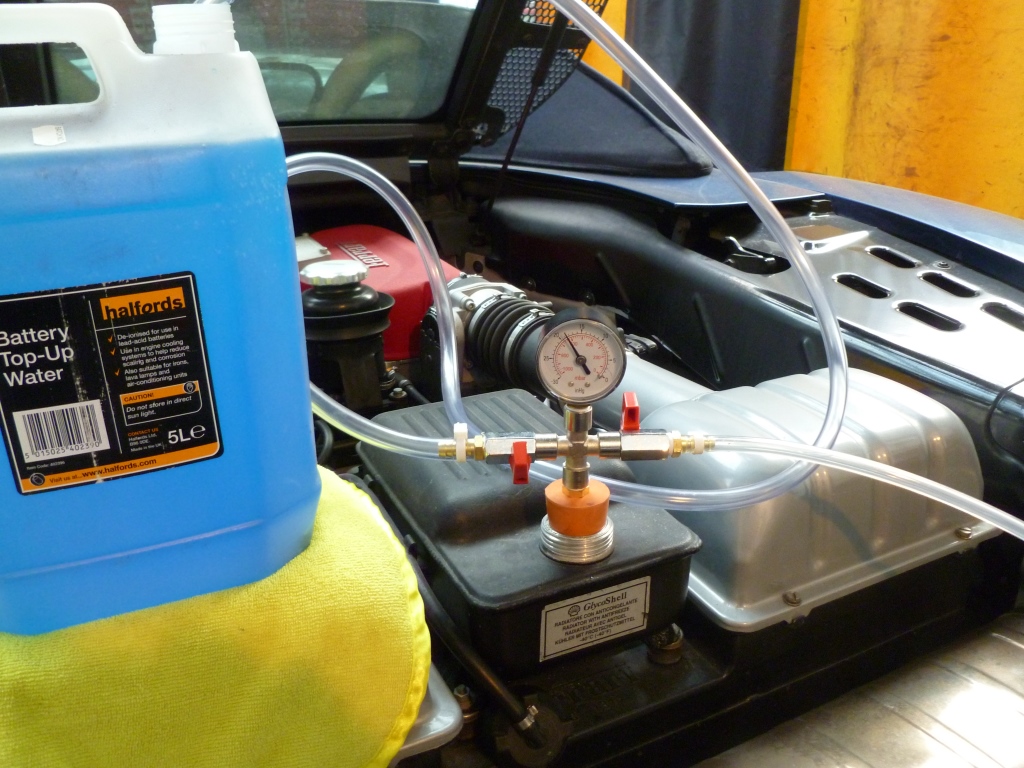
Next we fitted the kit to the expansion tank and pulled as much vacuum as we could.
Once we had a decent vacuum in the system we closed the valve to the Pela pump and opened the valve to the coolant which was then sucked into the system.
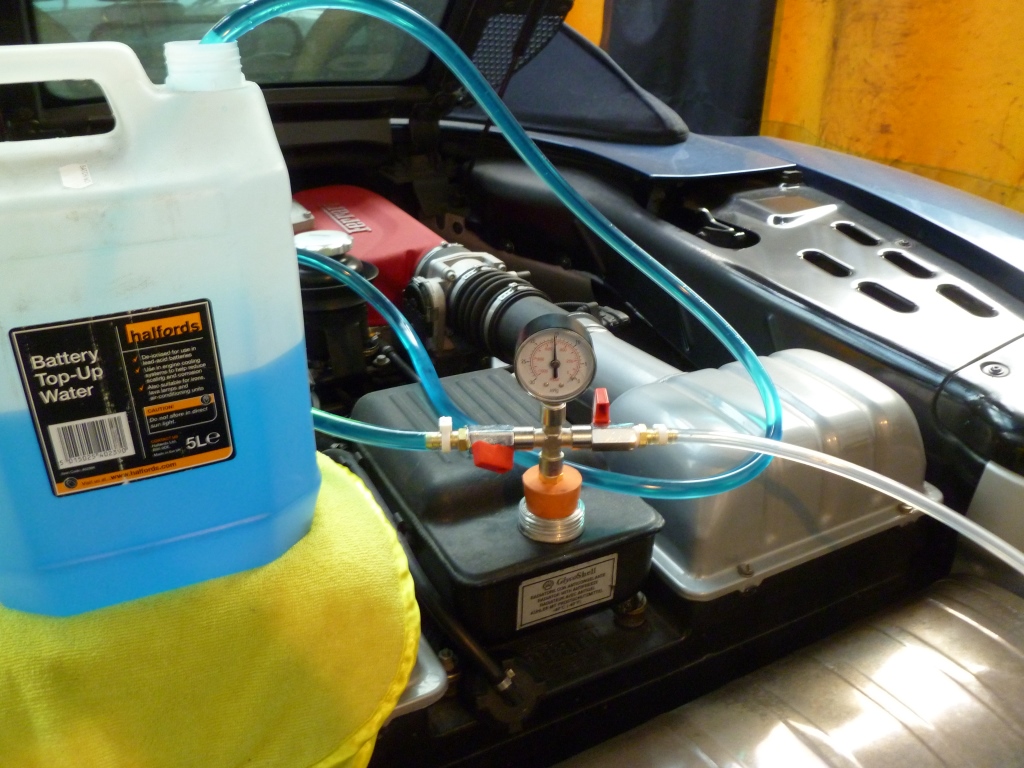
The cap was then refitted and the car run up to temperature. Once it had cooled down the level can be topped off (40mm below the top of the threads). Don’t forget to refit the under tray.
Here’s the kit in action on my F430:
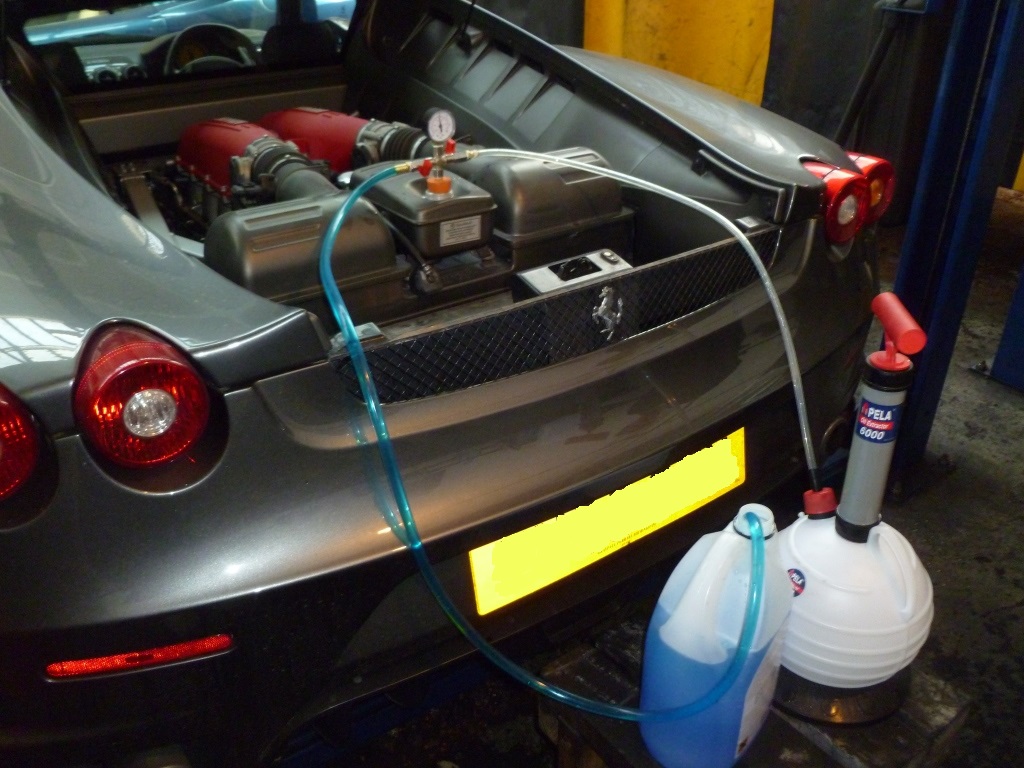
Some lessons we learnt:
- Pull as much vacuum as possible. Once you think you’ve pulled enough, pull some more.
- Use the pump to remove the air out of the hose that feeds the coolant from the bottle.
- Once about 2.5 litres had been drawn in, close the coolant side and pull some more air out of the system. Repeat every 2.5 litres.
- Don’t let the hose curl up in the bottle of coolant, otherwise it’ll allow air in as the level drops.
This system was inspired by a kit available in the USA. There is a similar kit available here made by Bergan but we found it to be useless, hence why Valerio built this kit up. Total cost was about £60 so worth while if you plan to keep your car for a while.
Related posts:
- Ferrari 360 Annual Preventative Maintenance
Other posts in this category: Maintenance
If you enjoyed this post why not subscribe to this blog for further updates? Simply enter your email address in the box at the bottom of this page. Your email address will not be shared.